
Views: 0 Author: Site Editor Publish Time: 2026-09-13 Origin: Site


Pet food packaging requirements have shifted drastically. Consumers expect heavy-duty, resealable, visually perfect bags for their animals. Plant managers face a hard reality: legacy packaging lines struggle with these complex formats. You need higher throughput and the ability to run multiple SKUs—different bag sizes, slider zippers, and laminated materials—without spiking your scrap rates. Relying on manual bagging or forcing an old inline system to run quad-seal pouches kills your line efficiency. Moving to automated systems that handle pre-formed bags solves this bottleneck directly. We will break down the mechanical realities, layout requirements, and operational advantages of integrating premade pouch packing machines for pet food into your dry kibble, treat, and wet food production lines.
Superior Seal Integrity: Pre-formed bags remain stable on the line, allowing for dedicated, high-pressure sealing stations that drastically reduce scrap rates compared to inline film-forming.
Unmatched SKU Agility: Tool-less changeovers enable facilities to switch between small treat pouches and bulk kibble bags in minutes, maximizing Overall Equipment Effectiveness (OEE).
Sanitary Compliance: Modern systems feature IP65/IP69K washdown ratings, critical for mitigating cross-contamination in wet food and high-fat kibble production.
Scalable Integration: These machines seamlessly synchronize with upstream multi-head weighers and downstream inspection equipment, creating a cohesive, automated ecosystem.
Stand-up pouches, quad seals, and slider zippers look great on the retail shelf but cause nightmares on the production floor if you use the wrong equipment. Intricate bag designs cause excessive downtime on traditional Form-Fill-Seal (FFS) machines. Operators spend hours fighting complex film-tracking adjustments. Forming collars require continuous tweaking to handle heavy laminated films properly. Every minute spent adjusting film alignment reduces overall line throughput. Legacy systems lack the mechanical flexibility to handle modern packaging demands efficiently. You end up choosing between running at optimal speeds or running complex bag styles.
Micro-leaks in pet food packaging carry severe financial consequences. Compromised seals drastically reduce the product shelf life. High-fat kibbles oxidize rapidly when exposed to ambient air, leading to rancidity. Retailers issue costly chargebacks for spoiled or damaged goods arriving at distribution centers. Relying on outdated inline sealing technology increases the frequency of these failures. Modern facilities require dedicated sealing stations that guarantee airtight closures every single cycle. Eliminating micro-leaks protects the product and prevents rejected shipments.
Manual and semi-automatic loading processes hide significant operational costs. Workers face constant ergonomic strain from lifting heavy bulk bags repeatedly. Repetitive motions lead to fatigue, decreased focus, and workplace injuries. Safety risks multiply when handling awkward packaging formats manually over an eight-hour shift. Labor shortages expose the fragility of manual packing operations. Automating the pouch handling process eliminates these ergonomic hazards entirely. You can reallocate manual labor to higher-value quality control and line management tasks.
Operational Metric | Legacy FFS Systems | Automated Premade Pouch Systems |
|---|---|---|
Changeover Time | 1 to 3 hours (requires changing forming tubes and film rolls) | 10 to 15 minutes (tool-less HMI adjustments) |
Scrap Rate | High (film tracking errors, bad seals during startup) | Near Zero (pre-formed bags, dedicated sealing stations) |
Bag Style Flexibility | Low (limited to specific forming collar dimensions) | High (handles stand-up, quad-seal, flat bottom, zippers) |
Seal Quality | Variable (dependent on film tension and continuous motion) | Consistent (stationary high-pressure sealing jaws) |
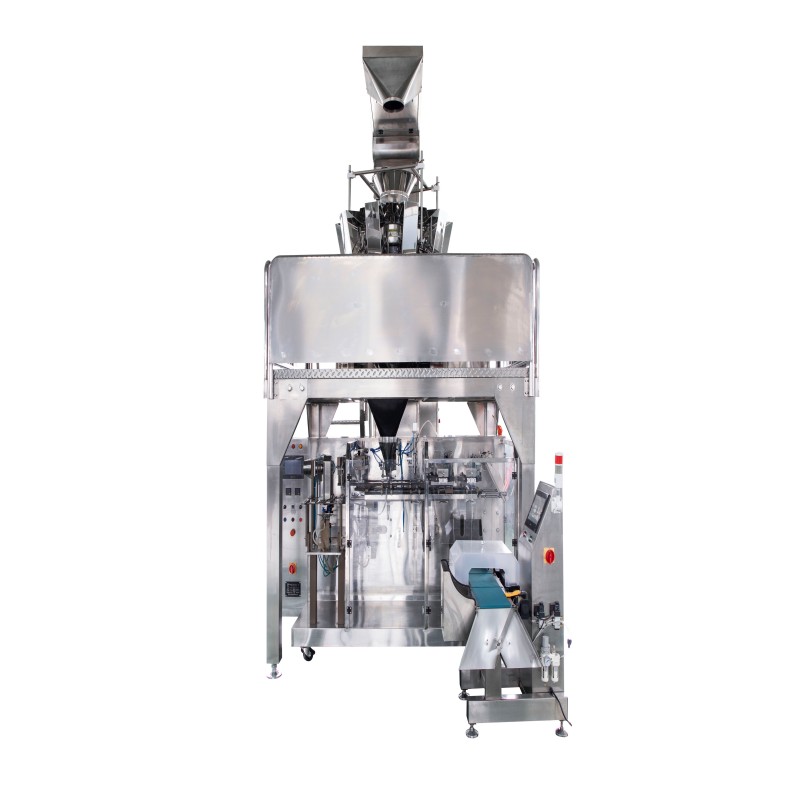
Packaging suppliers manufacture pre-formed pouches off-site under strict quality controls. The machine's sole focus remains opening, filling, and sealing the bag. This division of labor eliminates the risk of skewed graphics entirely. Misaligned gussets become a problem of the past. Brands achieve perfect aesthetic consistency across every single unit produced. FFS machines struggle to match this level of visual perfection during high-speed production runs because they form the bag and fill it simultaneously. Pre-formed bags guarantee the final product looks exactly as the marketing team intended.
Removing the film-forming step simplifies the machine's architecture dramatically. Premade systems feature far fewer moving parts than traditional FFS equipment. They eliminate forming tubes, pull belts, and complex film splicers. This mechanical simplicity translates directly to easier troubleshooting for operators. Maintenance teams spend less time diagnosing complex web-handling issues. Operators focus their attention on fill accuracy and seal integrity rather than fighting film tension.
Production schedules demand rapid transitions between different product runs daily. A premade pouch system requires only 10 to 15 minutes for a complete changeover. Operators adjust gripper widths using intuitive automated HMI controls. Changing forming tubes and heavy film rolls on an FFS machine often takes multiple hours. This massive reduction in changeover downtime maximizes production capacity. Facilities handle high-mix production schedules without sacrificing daily output targets.
Premade machines and pre-formed bags carry a higher per-unit material cost upfront. However, the drastic reduction in scrap material offsets this expense rapidly. Lower maintenance requirements and eliminated changeover downtime yield a faster return on investment. High-mix production environments benefit the most from this agility. The predictable output and reduced waste justify the initial capital expenditure. You stop paying for wasted film and start paying for guaranteed output.
Understanding the internal mechanics of a rotary premade pouch machine helps maintenance teams optimize performance. Most systems utilize an 8-station rotary turret design. Each station performs a specific, isolated task as the bag indexes through the circle.
Bag Feeding: Operators load stacks of empty bags into the magazine. Vacuum belts or robotic arms pick individual bags and feed them into the rotary turret grippers.
Date Coding: A thermal transfer overprinter (TTO) or inkjet coder applies lot numbers, expiration dates, and barcodes to the flat, empty pouch.
Zipper Opening: Specialized mechanical fingers pre-open the resealable zipper tracks without tearing the plastic profile.
Bag Opening: Vacuum suction pads pull the bag panels apart. Targeted air blasts inflate the pouch fully from the inside to break any static cling.
Filling: Diving funnels enter the pouch directly before dispensing begins. The upstream weigher drops the exact product dose into the bag.
Settling and Dust Extraction: Vibration plates shake the bag to settle the kibble. Vacuum hoods remove airborne dust from the seal zone.
Heat Sealing: Heated jaws apply precise pressure and temperature to melt the inner sealant layer.
Cooling and Discharge: Cooling bars immediately set the seal and restore material strength. The finished product drops onto an outfeed conveyor.
Accurate dispensing prevents costly product waste and line contamination. The machine integrates diving funnels that enter the pouch directly before dispensing begins. This targeted approach ensures efficient filling and avoids spills over the bag edges. The funnels keep the seal zone completely free of product dust or fat residue. Clean seal zones are mandatory for achieving airtight closures. Any contamination in this area guarantees a seal failure later in the process.
The final stage secures the product for retail distribution. The machine employs a multi-stage sealing process for maximum strength. Heated jaws apply precise pressure and temperature to melt the inner sealant layer. Cooling bars immediately follow to set the seal and restore material strength instantly. This produces airtight seals capable of withstanding severe transport stress. The finished product is then discharged onto an outfeed conveyor. From there, it moves to final inspection, checkweighing, and case packing.
Dry pet foods generate significant particulate matter during packaging. A premade pouch granule packing machine integrates specialized dust-extraction systems. These vacuums remove airborne particles before they settle on the sealing surfaces. Vibration settling mechanisms shake the bag gently during the fill cycle. This ensures the kibble settles below the seal zone before jaw closure. Proper settling maximizes bag volume utilization and prevents trapped kibble from breaking the seal. Managing dust keeps the line running continuously.
Bulk pet food requires robust engineering to handle the physical stress. A large bag granule packaging machine handles weights ranging from 5kg to 20kg effortlessly. Heavy-duty mechanical grippers secure the thick laminated materials tightly. Bottom-support conveyors are absolutely essential for these large formats. They take the physical weight off the top seals and grippers during the filling process. This prevents the bag from stretching or tearing under the load of heavy kibble. Synchronization between the conveyor and the rotary turret prevents bag drops.
Viscous products demand strict hygiene protocols to ensure food safety. Handling wet food requires sanitary washdown standards across the entire machine. Solid stainless steel construction prevents corrosion from harsh daily cleaning chemicals. Sloped surfaces prevent water pooling after sanitation cycles, eliminating bacterial harborage points. Specialized liquid dosing pumps ensure accurate fills for gravies and wet chunks. These pumps dismantle easily for Clean-In-Place (CIP) procedures to prevent cross-contamination between batches.
Gripper design directly impacts final seal quality. Mechanical grippers provide superior holding force compared to standard pneumatic alternatives. They maintain absolute bag tension as the pouch moves rapidly between stations. Consistent tension prevents wrinkles from forming in the seal area. A flat, taut surface ensures airtight closures. Weak grippers allow the bag to sag under product weight. This leads to folded seals, compromised shelf life, and rejected products.
A central pet food packing machine rarely operates in isolation. It communicates flawlessly with upstream equipment to maintain line speed. Multi-head weighers, auger fillers, and bucket elevators feed product into the system continuously. A unified Programmable Logic Controller (PLC) architecture synchronizes these components using Ethernet/IP or PROFINET protocols. This integration prevents bottlenecks and ensures the weigher only dispenses when a bag is ready. Seamless communication maximizes overall line efficiency and prevents product dumping.
Extending shelf life requires controlling the internal bag environment precisely. Nitrogen gas flushing systems displace oxygen before the final seal is applied. This Modified Atmosphere Packaging (MAP) technique protects natural and preservative-free pet foods. Removing oxygen prevents the oxidation of fats and delays spoilage significantly. Precision gas dosing ensures residual oxygen levels remain below strict target thresholds. This protects product flavor, aroma, and nutritional value during long transit times and warehouse storage.
Automated systems detect and isolate errors independently to protect output quality. Built-in verification features protect production integrity at every step. "No bag, no fill" sensors prevent the weigher from dropping product if a pouch fails to open. Automatic reject stations remove bags with open seals from the line using a mechanical sweep. Integration with inline X-ray or metal detection systems ensures absolute product safety. These mechanisms prevent defective units from reaching the consumer market.
Poorly manufactured pre-formed bags jam the machine repeatedly. Static cling prevents pouches from opening correctly at the vacuum station. Fused zippers destroy the mechanical opening fingers instantly. Establish strict material tolerances with packaging suppliers to mitigate this risk. Conduct rigorous Factory Acceptance Testing (FAT) using actual production film. Testing with the exact bags used in daily operations reveals hidden compatibility issues before installation. Demand suppliers provide consistent coefficient of friction (COF) ratings.
Spatial requirements differ significantly between machine types. Rotary premade pouch machines demand a different footprint than vertical FFS machines. They require wider operational clearances for the bag magazines. Conduct detailed 3D spatial mapping of the facility prior to purchase. Account for maintenance access doors, electrical cabinet clearance, and operator walkways. Proper layout planning ensures the machine integrates smoothly without disrupting existing forklift traffic flows or creating safety hazards.
Transitioning from mechanical equipment to highly automated servo-driven systems presents a steep learning curve. Maintenance teams become overwhelmed by unfamiliar PLC logic and servo drive faults. Mandate comprehensive vendor-supplied training programs for all operators and technicians. Prioritize machines equipped with intuitive Human-Machine Interface (HMI) diagnostics that display clear fault codes. Implement strict predictive maintenance schedules to prevent unexpected breakdowns. Proper training ensures the team troubleshoots minor issues independently without calling OEM support.
Pre-Installation Checklist Item | Requirement Details |
|---|---|
Electrical Supply | Verify voltage, phase, and amperage requirements match the machine specifications. Install dedicated drops. |
Compressed Air | Ensure clean, dry air supply at the required CFM and PSI to operate pneumatic cylinders and vacuum generators. |
Floor Loading | Confirm the concrete slab can support the static and dynamic weight of the machine and upstream weighers. |
Washdown Drainage | For wet food lines, verify floor drains are positioned correctly to handle high-volume sanitation runoff. |
Audit your current scrap rates to identify the exact financial cost of seal failures and wasted film over the last fiscal quarter.
Map your facility floor space to confirm you have the necessary clearance for a rotary machine footprint and bag magazine loading zones.
Send your toughest bag format and most difficult-to-run product to the equipment manufacturer for a comprehensive Factory Acceptance Test (FAT).
Verify the IP washdown ratings of the proposed equipment match the sanitation requirements of your specific dry or wet pet food line.
A: A standard changeover takes between 10 and 20 minutes. The process relies on tool-less adjustments. Operators use automated HMI controls to change gripper widths and adjust the bag magazine. This rapid transition allows facilities to switch between different bag sizes and formats multiple times a day without losing significant production hours.
A: These machines utilize diving nozzles and transition funnels that enter the pouch before dispensing. This directs the product straight to the bottom. Additionally, "no bag, no fill" sensor technology ensures the upstream weigher only drops expensive ingredients if a pouch is successfully opened and locked in place.
A: Yes, through modular filling stations. However, handling wet food requires specific upgrades. The machine must feature high IP washdown ratings (IP65/IP69K) and stainless steel construction to withstand harsh cleaning. Specialized liquid dosing pumps are also necessary to handle viscous wet treats accurately.
A: Dust accumulation is managed through targeted vacuum extraction and dust hoods near the filling station. The machine also uses staging vibration to settle the kibble quickly. This ensures all particulate matter drops below the seal zone before the heated jaws clamp down, guaranteeing an airtight closure.
A: The primary limitation is speed. Large volumes of kibble require longer settling times inside the bag. Additionally, handling 10kg to 20kg bags requires bottom-support mechanisms. This heavy-duty engineering relieves strain on the top grippers but limits the maximum cycles per minute compared to smaller treat pouch machines.
A: Yes, but they require precise calibration. Sustainable mono-material films often have narrower heat-sealing windows than traditional laminates. The machine must feature highly accurate temperature control in the sealing jaws to melt the sealant layer without burning or distorting the outer recyclable film.
A: Sanitary systems utilize IP65 or IP69K rated components, allowing for high-pressure water cleaning. They feature NEMA 4X enclosures to protect sensitive electronics. Hygienic machine design principles include sloped surfaces to prevent water pooling and solid stainless steel construction to eliminate bacterial harborage points.


