
Views: 0 Author: Site Editor Publish Time: 2026-07-06 Origin: Site


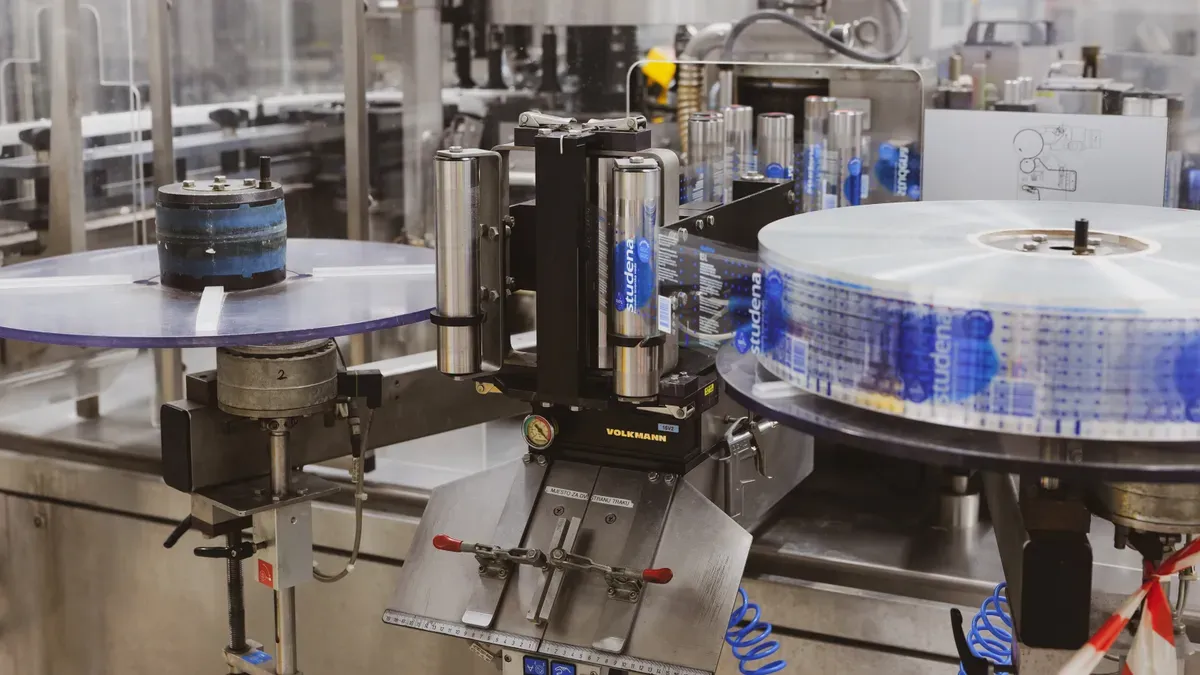
Image Source: pexels
A pet food packing machine helps you automate the process of weighing, filling, and sealing pet food. You can boost efficiency and keep food fresh with this equipment. Many pet food products can be packaged, such as:
Dry kibble and pellets for dogs and cats in bags of different sizes
Cat food in small pouches or retail bags
Pet treats like biscuits, chews, and dental sticks in flexible packaging
Bulk animal feed for zoos or breeders in large bags
Wet food in pouches or sachets
You can rely on this machine to handle many types of pet food and improve your packaging process.
A pet food packing machine does weighing, filling, and sealing by itself. This makes packing pet food faster and easier.
These machines can pack many kinds of pet food. They work with dry kibble, wet food, and treats. This helps keep the food fresh and safe.
You must clean and take care of the machine often. This is very important for food safety and following health rules.
Picking the right machine depends on the pet food you pack. It also depends on what your business needs.
Using machines instead of people saves money and lowers mistakes. It also makes the food better and helps meet what customers want.
A pet food packing machine helps you pack pet food faster. It does the weighing, filling, and sealing for you. You can use it for dry kibble, wet food, and treats. The machine grabs empty bags and opens them. It puts the bag under the filling spout. The machine fills each bag with the right amount of food. It uses special weighing systems to be exact. After filling, the machine seals or stitches the bag shut. This keeps the food fresh and safe. The machine also prints codes and dates on each bag. This helps you track each package.
Many machines can pack different types of pet food. Vertical form fill seal machines are very common in factories. These machines are the most popular. They made USD 675 million in 2024. Dry kibble and pellets are a big part of the market. They make up 34.3% of all pet food packing machines sold.
Pet food packing machines have many helpful features. These features make your work faster and safer. Here are the main things the machine does:
Bag feeding and placement: The machine grabs and puts empty bags in place.
Product filling and weighing: It puts the right amount of food in each bag.
Bag sealing or stitching: The machine closes each bag tightly.
Printing codes and dates: It prints important info for tracking.
Some features make pet food packing machines special. The table below shows some of these features:
Feature | Description |
|---|---|
Automation | Does filling, sealing, and coding by itself for pet food. |
Compliance | Follows food safety rules, uses safe materials, and is easy to clean. |
Integrated Coding | Prints codes for tracking, like best-before dates and batch numbers. |
Pet food packing machines use safe materials for food. They follow FDA rules so food stays clean. GMP rules make sure the machine is easy to clean and has smooth parts. These features help keep pet food safe and meet industry rules. Automated machines make your job easier. They help you give customers good products.
You can learn how a pet food packaging machine works by looking at each step. The machine uses smart systems to make sure every package is good quality. Here is how the process usually goes:
Weighing: The machine checks the amount of pet food for each package. Good weighing systems help you avoid mistakes. You get the same results every time and waste less food. The weighing mistake is only 1-3 grams, so you meet quality rules.
Filling: The machine puts pet food into bags, cans, or pouches. Special filling nozzles let you use different types of pet food packaging. You can fill dry kibble, wet food, or treats easily.
Sealing: After filling, the machine closes each package tightly. Hermetic seals keep food fresh and safe from germs. Double-seam and triple-seam options help protect the food.
Labeling: The machine prints codes and dates on each package. You can track batches and follow industry rules.
Sterilization: Some machines have sterilization stations. These stations use heat and pressure to keep pet food safe and cans strong.
Palletizing: Finished packages go to palletizing stations. The machine stacks and organizes them for shipping.
Tip: Good weighing stops overfilling and underfilling. You save food and pass inspections.
You need to know the main parts of a pet food packaging machine to see how it works. Each part helps make the process fast and reliable.
Internal Weigh Hoppers: These hoppers let the machine work without stopping. You get better accuracy and even portions. The weighing can be right within ±0.1%. The machine can pack twice as fast as old ways.
Filling Nozzles: Special nozzles help you fill different types of pet food packaging. You can switch between dry, wet, or special foods.
Sealing Jaws: These jaws make tight seals. You stop leaks and keep food fresh.
Sensors and Automation: Smart sensors check for accuracy. Automation makes packing faster. AI-driven systems help you bag products with care.
Coding and Labeling Units: These units print important info. You can track each package and follow the rules.
Sterilization Chambers: Some machines have chambers to sterilize cans or pouches. You keep pet food safe and make it last longer.
Feature/Characteristic | Description |
|---|---|
Fully automated process | Does feeding, weighing, filling, date printing, and product output by itself. |
High-speed operation | Packs pet food fast and accurately. |
Versatile applications | Works with many types of pet food packaging. |
Some machines have IoT integration. These machines let you watch packing in real time. You collect data and make better choices. AI-driven systems make production 15% more efficient. You waste less packaging and keep up with market changes.
Issue | Possible Causes |
|---|---|
Inaccurate Filling Weight | Uneven feeding, wrong settings, dirty sensors |
Poor Sealing or Bag Leakage | Wrong sealing heat, bad film, jaws not lined up |
Film Tracking and Bag Shape Issues | Uneven film pull, collar not straight, sensor not lined up |
Note: You should check settings and sensors often. This helps you stop problems and keep your pet food packaging machine working well.
You can trust the main parts of a pet food packaging machine to give you accurate, fast, and safe packaging. Knowing how a pet food packaging machine works helps you pick the best one for your needs.
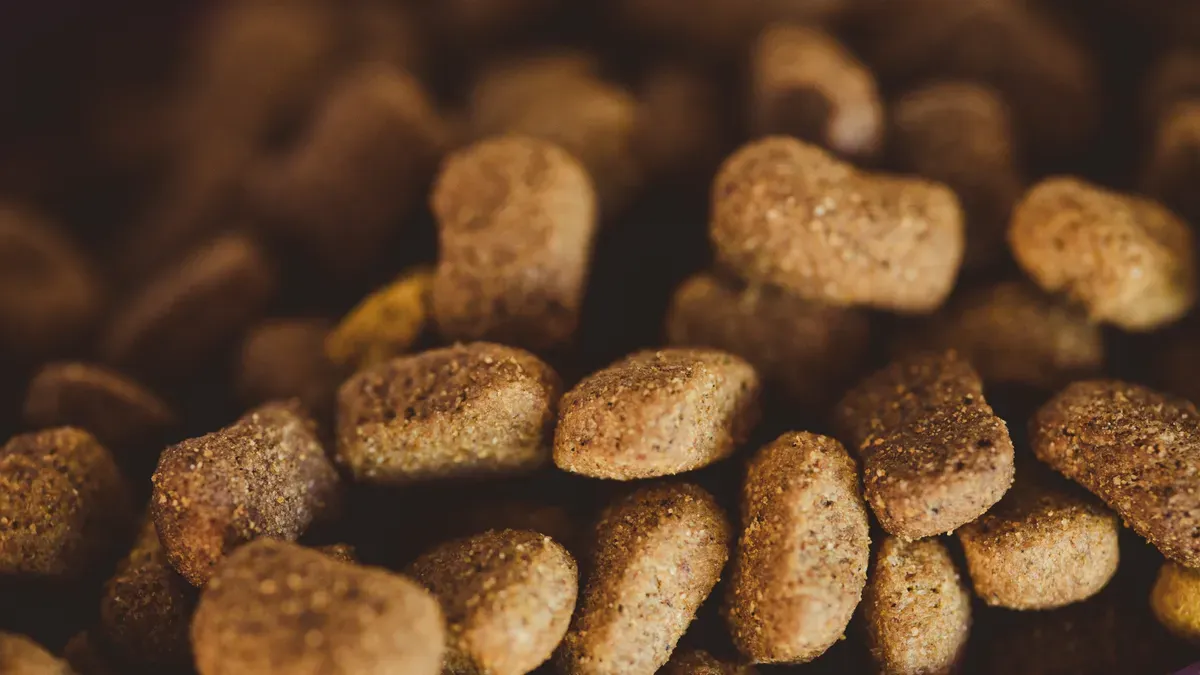
Image Source: pexels
Dry pet food, like kibble and pellets, is very common. Packing machines can fill, weigh, and seal these foods in many bag sizes. These machines work fast and help keep food fresh. In 2024, dry kibble and pellets made up 34.3% of the world market. This shows dry food is important for pet owners and companies.
Packing dry pet food has some problems. You need to control dust and oil. You must keep the machine clean and switch products quickly. The table below lists some problems and what they mean:
Challenge | Description |
|---|---|
Product Dust and Oil Management | Lots of oil and dust can get on the sealing area. This can make the seal weak and ruin the food. |
Hygienic Design and Washdown | Machines must stop germs from spreading. They should be easy to clean to meet health rules. |
Handling Sustainable Film Formats | You need to be careful with eco-friendly packaging. It can get damaged if not handled right. |
Rapid SKU Changeovers | If you have many products, changing between them can take time. This can slow down work. |
Tip: Clean the machine often and check the seals. This helps keep your food safe.
Wet pet food needs extra care when packing. Machines can fill and seal wet food in pouches, sachets, or special bags. These packages keep the food moist and fresh. The machines weigh and fill wet food very accurately. Good seals stop leaks and keep out germs.
Packaging Type | Description |
|---|---|
Wet Food Pouches | Good for wet food. They keep food safe and stop germs. |
Sachets | Easy to use and store wet pet food. |
Retort-Ready Formats | Help keep wet food fresh for a long time. |
These machines help keep wet food safe and tasty for pets.
Treats and special pet foods, like jerky, chews, or freeze-dried snacks, need special packing. You must follow rules for labels and safety. Labels should show the brand, animal type, ingredients, and calories. Some treats, like rawhide, must show the net weight because the FDA says so.
Jerky and freeze-dried treats must follow a special process from experts.
Pet chews do not need nutrition facts unless you say they are healthy.
You do not have to add nutrition statements, but they help pet owners.
Note: Always check the newest rules. This makes sure your packaging is correct.
Packing machines can handle many types of pet food. They work for dry food, wet meals, and treats. This helps you keep up with changes in the pet food market.
There are many good things about using pet food packing machines. These machines help you work faster and make fewer mistakes. You do not need as many workers. You can make more pet food in less time. Every package looks the same and has the same amount inside. Smart systems use less power and save on materials. This means you spend less money and help the planet.
Automation means people do not have to do as much work.
Packing is quicker and stays correct.
Each package is the same every time.
Machines use less energy and make less waste.
You save money by using resources better.
Packing machines also help keep pet food safe. People want pet food that is clean and fresh. Fast and clean machines keep your products safe. Built-in systems help you follow health rules. You keep pets safe and make buyers trust you.
Tip: A pet food packing machine helps you follow safety rules and keeps your food fresh.
Picking the right pet food packing machine is very important. You need a machine that fits your product and your needs. Think about what kind of pet food you pack. Dry food, wet food, and treats need different machines. Some machines can switch between products. This helps you change when the market changes.
Packaging Type | Suitable For | Key Features |
|---|---|---|
Stand-up pouches | Portable and small-volume pet food | Easy to carry, durable, space-efficient |
Zipper pouches | Small-volume pet food | Reusable, convenient for consumers |
Vacuum bags | Wet pet food | Strong isolation, excellent protection |
Aluminum foil bags | Wet pet food | High barrier properties, attractive appearance |
Composite plastic bags | Large-scale pet food packaging | Widely used, suitable for bulk packaging |
Paper-plastic composite bags | Environmentally friendly dry food | High-strength sealing, eco-friendly options |
Color-printed composite bags | 1-15kg dry pet food | Attractive design, good sealing properties |
Woven bags | 10-50kg dry pet food | Durable, often used with extra protection for transport |
Check how much the machine can pack. Make sure it matches what you want to make. The machine should fit with your other equipment. It must work with all your pet food types. Take care of the machine. Clean the parts that touch food every day. Remove any powder or crumbs. Check the seals and oil the moving parts. Look at belts, chains, and sensors each week. Clean deeply and change old parts every month.
Note: The right pet food packing machine helps you meet demand and keep food safe.
You get many benefits from using a pet food packing machine if you choose the best one. Pick a machine that is flexible, easy to clean, and keeps food safe. This helps you do well in the pet food business.
You have to follow strict rules when using pet food packaging machines. These rules keep pet food safe and help people trust your products. In the United States, you need FDA registration and must follow AAFCO labeling rules. You also have to meet FSMA requirements. Europe uses FEDIAF guidelines and EU feed hygiene rules. Many countries want you to use ISO 22000 and HACCP systems. If you want to sell pet food in other countries, you need export certificates and label approval.
Here is a table that shows important regulatory requirements:
Regulatory Requirement | Description |
|---|---|
You must use HACCP to keep food safe. | |
Nutritional labeling | You need to follow rules for labels and ingredients. |
Import/export certifications | You must get certificates for international trade. |
Environmental management | You must manage waste and emissions. |
You also need a business license and a food production permit. The FDA or your local vet authority must approve your business. If you do not have the right papers, your pet food may be stopped at customs. Customers may not trust your products if you do not follow the rules. Meeting these standards helps your business stay safe and grow.
Tip: Always check the newest rules for pet food packaging in your country and any country you want to sell to.
You must keep your pet food packaging machines clean to keep food safe. Standard cleaning steps (SSOPs) help you clean machines the right way. These steps tell you what tools to use, how often to clean, and which cleaners are safe. You need to check if cleaning works well.
Follow these hygiene steps:
Make a cleaning schedule and stick to it.
Use pest control to keep bugs away.
Make sure workers follow hygiene rules.
Design machines so you can clean them easily.
Keep food safe and your machines working well.
Quality assurance helps you meet industry standards for packaging machines. You should check and clean machines often. Test raw materials and finished products. Train workers so they know how to use machines and keep quality high.
Quality Assurance Measure | Description |
|---|---|
Maintenance Schedules | Check, clean, and oil parts often. |
Quality Assurance Checks | Test materials and look at products. |
Regulatory Standards | Follow rules for cleaning and tracking. |
Training of Personnel | Teach workers about machine use and quality checks. |
When you follow hygiene and quality steps, you help pets stay healthy. You also keep your business strong. Pet food packaging must meet strict rules to protect animals and people.
A pet food packing machine lets you pack pet food fast and safely. Automation gives you many good things:
Benefit | Description |
|---|---|
Improved Efficiency | You get the same weight and size each time. There are fewer mistakes. |
Increased Productivity | You can pack more food in a shorter time. |
Enhanced Quality Control | Every package stays the same high quality. |
When picking your machine, check if it is easy to clean. Make sure it seals bags tightly and follows safety rules. This helps keep pet food fresh and safe for all pets.
You should clean your machine every day. Clean all parts that touch food. This keeps your pet food safe and fresh. Regular cleaning also helps your machine last longer.
Some machines can handle both types. You need to check if your machine supports quick changeovers. Always follow cleaning steps when switching between dry and wet foods.
Most machines can pack 30 to 60 bags per minute. The speed depends on the type of food and the size of the bag. You can adjust settings for your needs.
Yes, you need training. You should learn how to set up, operate, and clean the machine. Training helps you avoid mistakes and keeps your products safe.
First, stop the machine. Check the display for error codes. Look at the manual for solutions. If you cannot fix it, call a technician for help.


