
Views: 0 Author: Site Editor Publish Time: 2026-07-02 Origin: Site


You have many options when picking packing machines for rice. The best rice packaging machine depends on your bag size, speed, automation, packaging material, and budget. If you match the machine to the bag size, you get many good things:
The machine works well with your rice packaging process.
Speed and accuracy get better, so you make more rice.
You save money and make your product better.
Picking the right rice packaging machines helps your rice packaging line work well and fast.
Pick a rice packing machine that fits your bag size and material. This helps the machine work well. - Think about how fast the machine works and how much it can pack. This will help you keep up with your work and stop slowdowns. - Decide how much automation you want. Automated machines can lower worker costs and make things faster. - Compare the price of the machine with how much it costs to run and fix. This can help you save money over time. - Talk to suppliers to make sure you get a machine that meets your rice packaging needs.
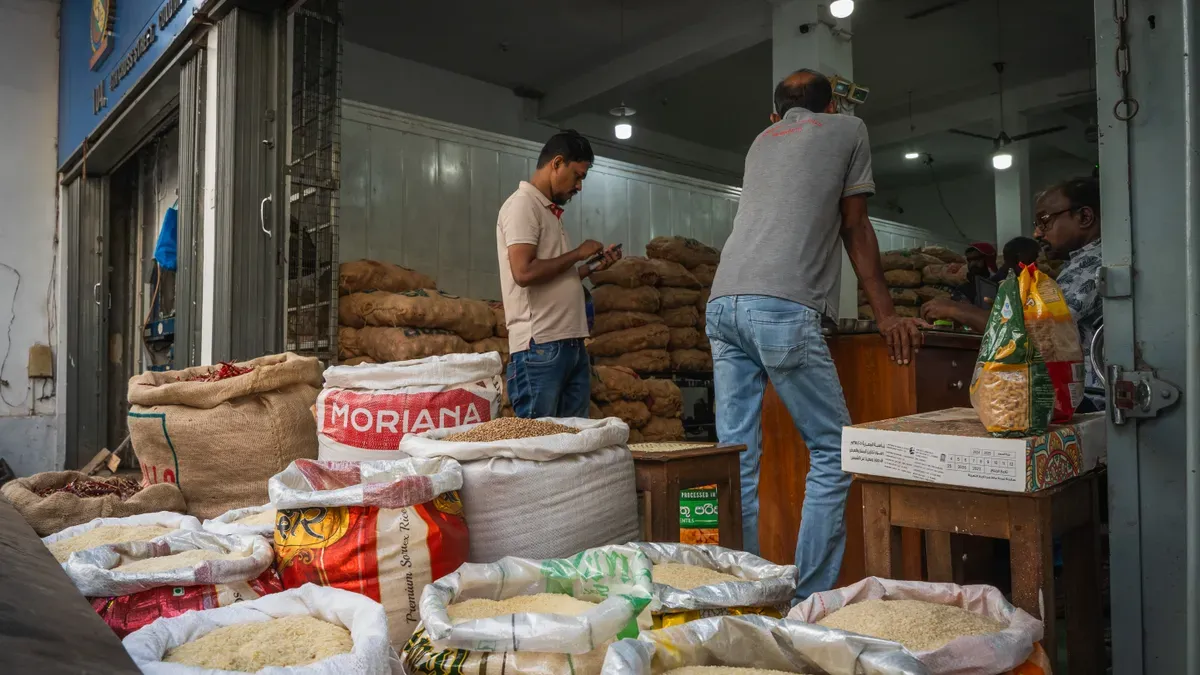
Image Source: pexels
There are different packing machines for rice. Each machine works best for certain bag sizes and jobs. The most common machines are vffs machine, hffs machine, pouch filling machine, and premade pouch filler. Some machines are made for small bags, and others are for big bags.
Vffs and hffs machines can be used for small and large rice packaging. Vffs means vertical form fill seal. Hffs means horizontal form fill seal. Vffs machines make bags going up and down. Hffs machines make bags going side to side. Both types pack rice quickly and accurately.
Small bagging machines are used for retail rice sizes. These machines pack rice in bags from 1kg to 5kg. Small rice packaging machines include vffs machine, hffs machine, and premade pouch filler. They have systems that weigh and fill rice exactly. They use strong and clean materials. You get controls that are easy to use. Small bagging machines work with many kinds of packaging materials and sizes. You can use them for premade bags or flexible films.
Exact weighing and filling systems
Strong and clean construction materials
Easy-to-use automated controls
Can pack many types of bags
Built-in quality control features
Can handle different packaging materials and sizes
Works with many packaging films and bag types
Fits easily into the production line
Smart checkpoints keep speed and quality high
You can use vffs or hffs machines for small rice packaging. These machines are good for retail rice and premade pouch filling.
Large bagging machines are used for packing rice in big bags. These machines pack rice in bags from 10kg to 50kg. Large rice packaging machines have high output and advanced automation. Vffs and hffs machines are also used for big rice packaging jobs. These machines have automatic weighing, bagging, filling, delivery, and sealing.
Large bagging machines are made from carbon steel. They use a 3-phase power supply. They pack 6-10 bags each minute. These machines are used in grain, feed, and seed industries. You can use them for premade bag packaging or bulk rice packaging.
Tip: Small machines usually have simple automation. Large machines have advanced features like remote monitoring. Pick the machine and automation level that fits your rice packaging needs.
You need to pick a rice packaging machine that fits your bag size and material. The size of the bag changes how well the machine works. It also affects how fast you can pack rice. If you use the wrong machine, packing can slow down. Sometimes, the bags can even get damaged.
Different bags, like woven polypropylene, paper, or multi-layer laminates, need special ways to fill them. Valve bags need to be lined up right and handled gently. This stops the bags from tearing or leaking dust.
Open-mouth bagging needs machines that can hold and open bags fast and safely.
You should check if the machine can close bags the way you want. Some bags are sewn, heat-sealed, or closed with glue.
It should be easy to switch between bag styles. Look for machines with quick-change tools and recipe settings.
Bag size and shape flexibility is important. Know what bag sizes you need. Make sure the machine can handle them.
Some machines use modular jaws to switch between pillow bags and quad-seal types. Advanced machines let you change bag types without tools. This saves time.
The machine should fit in your workspace.
You also need to think about what the bag is made of. Rice bags come in many types:
Woven PP bags are strong and cheap. They are sewn shut to keep rice inside.
Paper-PE compound bags mix paper and plastic. They keep rice dry and cost a bit more.
PE plastic bags keep out water and look nice in stores.
Multi-layer paper bags are strong and good for organic rice.
Three-in-one composite bags last long, keep rice fresh, and look nice.
Form-fill-seal machines work with many bag types. Pillow pouches and stand-up bags are popular for rice. The right machine helps keep rice fresh and makes your product look good.
You need to think about speed and capacity when picking a rice packaging machine. Speed means how many bags you can pack each hour. Capacity means how much rice you can put in each bag and how much you can pack in a day.
Scale | Capacity (Kg) | Packing Speed (bags/h) |
|---|---|---|
Small Scale | 10-50 | 180-450 |
If your machine is too slow, your line will get backed up. Fast machines help you pack more rice and fill big orders. Check how much rice you pack now and how much you want to pack later. Think about busy times and make sure your machine can do more if you grow.
Factor | Impact |
|---|---|
Machine Speed | Affects daily output. Slow machines cause bottlenecks. |
Automation Level | Fully automatic lines can cut labor by 50-70% and boost efficiency. |
Production Volume | Matching machine capacity to your needs prevents limits and waste. |
Automated packaging systems keep package weights and seals the same every time. This helps your brand look good and follow rules for labeling. When packages are the same, rice stays fresh longer.
Automation changes how you run your rice packaging line. You can pick simple machines or fully automatic bagging machines. Modern lines use smart controls and data systems to work better.
Automation lets you control all parts of the line at once. This means less mistakes and faster packing.
You can connect your machine to MES or ERP systems. This helps you plan and track every bag.
Data analytics shows you how to keep quality high and settings right.
Remote support and diagnostics help you fix problems fast.
Benefit | Description |
|---|---|
Labor Cost Reduction | Automated systems decrease the need for manual labor, leading to lower overall labor costs. |
Error Rate Minimization | Automation minimizes human error, enhancing accuracy in packaging. |
Increased Production Capacity | State-of-the-art machines can pack upwards of 50 bags per minute, significantly boosting output. |
Workforce Optimization | Fewer manual tasks allow workers to focus on complex activities, improving overall productivity. |
Automated rice packaging machines lower labor costs and reduce mistakes. You can pack rice faster and let workers do more important jobs. Easy-to-use machines help you train new workers quickly and keep mistakes low.
You need to balance price and maintenance with your budget. The cost of a rice packaging machine is more than just the price tag. You need to think about regular maintenance, spare parts, and emergency repairs.
Maintenance Aspect | Description |
|---|---|
Scheduled Maintenance Fees | Regular costs for checks, oiling, and adjustments. These can range from hundreds to thousands. |
Parts and Labor Costs | You will need spare parts like forming tubes and sealing elements. Labor adds to the cost. |
Emergency Repair Fees | You should plan for surprise problems, even with good maintenance. |
Technology Upgrades | New software or hardware updates can add to the cost as machines get more advanced. |
If you choose a vffs machine, hffs machine, pouch filling machine, or premade pouch filler, check how much care it needs. Some machines need more attention than others. A reliable bagging machine will save you money over time. You should also ask about support and training from the supplier.
Tip: Always match the features of your rice packaging machine to your production needs and budget. The right choice helps you pack rice efficiently, keep costs low, and grow your business.

Image Source: unsplash
Using a rice packaging machine for small bags gives you more choices. You can pick a vffs machine or an hffs machine. Each machine has good and bad points. The table below shows how they are different for small rice packaging:
Feature | VFFS (Vertical Form Fill Seal) | HFFS (Horizontal Form Fill Seal) |
|---|---|---|
Flexibility | Not many bag shapes, hard with tricky designs | More flexible, works with tricky shapes |
Product Protection | Rice can break during filling | Handles rice gently, less breakage |
Speed and Efficiency | Packs fast, takes up less space | Slower for big jobs, takes up more space |
Cost | Costs less to buy and fix | Costs more, needs more parts |
You can pack rice in different ways, like premade bags or stand-up bags. Small bagging machines let you switch packaging types fast. This helps you meet what customers want. Good seals help rice last longer on the shelf.
Large rice packaging machines let you pack more rice at once. You can use them for bulk rice or premade bags. Here are some main good points:
You need fewer workers, so you save money.
Bags look neat and sealed, which helps your brand.
Filling is accurate, so you do not waste rice.
You follow rules for labels and net weight.
You can add more machines later, like conveyors or sealers.
But there are some bad points too:
Large bagging machines cost a lot at first.
You need skilled people or local help for repairs.
Some machines do not work well with broken rice or mixes.
Cheap machines may not have spare parts.
Both small and large rice packaging machines change how you work. They help control dust and seal bags well. This keeps your work area clean and rice safe. Fast machines fill bags quickly and keep packing right. Good weighing systems stop waste and make every bag the same. Food-grade materials keep rice safe and meet food rules.
When picking a bagging machine, think about these things:
Capacity: Do not get a machine that is too big for you.
Maintenance: Take care of your machine to keep it working.
Scalability: Some machines let you start small and add more later.
Efficiency: Fast, accurate machines save time and work.
You can use vffs, hffs, or premade machines for rice. Each one helps you pack good rice and keep it fresh. The right machine makes your packaging line strong and ready for changes.
Start by thinking about your rice goals. Figure out how much rice you pack each day. Decide if you have a small farm or a big factory. Look at the bags you use, like woven sacks, pouches, or bulk bags. Make sure your machine can handle different bag sizes and materials. Follow these steps:
Find out how much rice you pack daily.
Pick manual machines if you pack less than 100 bags per hour. Choose automated machines if you pack more than 500 bags per hour.
Check if your machine can pack the bag sizes and types you need.
Tip: Match your rice packaging needs to what the machine can do. This helps you avoid mistakes and keeps your rice safe.
Compare the features of different rice packaging machines. Use this table to help you:
Criteria | Description |
|---|---|
Maintenance | Machines that are easy to care for need less work and stop less often. |
Durability | Strong materials help your machine last longer. |
Energy Efficiency | Machines that save energy cost less to run over time. |
Total Cost of Ownership (TCO) | Look at all costs, not just the price. |
Hygiene | Food-safe designs keep rice fresh and safe. |
Automation | Smart controls make packing better and help with remote fixes. |
Flexibility | Machines that switch between bag types and premade designs save time. |
Supplier Support | Good training and service agreements keep your machine reliable. |
Plan how you will install your rice packaging machine and keep it working well. Follow these best practices:
Set up your machine using the instructions from the manufacturer. Make sure the foundation and alignment are correct.
Test your machine and check quality at every step.
Train your team on safety and how to use the machine.
Make a routine for maintenance and learn how to fix common problems.
Note: Supplier support is important. Pick a supplier who gives fast help and training. This keeps your rice packaging line running smoothly.
When you pick your rice packaging machine, think about these things:
Accuracy: Machines that weigh and fill rice exactly keep your bags the same.
Speed: Fast machines help you pack more rice.
Eco-Friendliness: Machines that use recyclable packaging help the environment.
Durability: Stainless steel and food-grade materials last longer and keep rice safe.
Ease of Use: Simple controls and low maintenance save time.
Production Volume: Match the machine to how much rice you pack.
Budget: Find the best value for your money.
Packaging Requirements: Choose machines for vacuum-sealed, bulk, or retail packaging.
Space Availability: Make sure your machine fits in your facility.
After-Sales Support: Pick suppliers with good customer service.
Avoid common mistakes. Do not pick a machine before you know your rice and dosing needs. Check the flow and size of your rice. Do not think one machine works for everything. Look at premade bag options and see if VFFS works for your packaging.
Tip: Talk to experienced suppliers. They help you pick the right rice packaging machine, plan training, and offer fast troubleshooting.
Choosing the right rice packing machine means you look at your rice type, packaging needs, and production goals. You should match the machine to your rice and bag size. Review output, budget, and machine features. Use a checklist to compare options and check packaging quality. Ask experts for advice if you need help. This way, your rice packaging line stays efficient and meets your business needs.
Remember: The best rice packaging machine fits your rice, your packaging, and your growth plans.
You can pack many types of rice, such as long-grain, short-grain, and jasmine. The machines handle both white and brown rice. You get clean and safe packaging for every type.
You should pick strong materials that keep rice fresh. Many people use woven bags, plastic, or paper. The right packaging protects rice from moisture and pests.
Most modern machines let you switch between bag sizes. You can pack small or large bags with the same machine. This helps you meet different packaging needs.
You should clean your machine every day. Remove leftover rice and dust. Use food-safe cleaners. Clean machines help you keep rice safe and your packaging line running well.
You can use machines that measure rice exactly. This stops overfilling and saves packaging. Choose the right bag size for your rice. Less waste means lower costs and a cleaner work area.


