
Views: 0 Author: Site Editor Publish Time: 2026-06-12 Origin: Site


Confectionery production faces a persistent bottleneck. Manual wrapping is incredibly slow. It requires heavy manual labor. Workers simply cannot keep pace with modern boiling kettles. This delay leaves moisture-sensitive treats vulnerable. Honey-based caramels and hard candies quickly absorb ambient humidity. They develop a sticky surface and suffer from "cold flow" deformation. You need a better way to protect your product. Upgrading to a commercial candy packing machine solves this problem. It standardizes shelf-life across your entire batch. It blocks out humidity instantly. It perfectly matches your upstream cooking output. We wrote this guide to provide a transparent evaluation framework. You will learn how to shortlist the right equipment. We base this on your specific candy type. We evaluate required pieces per minute (PPM) targets. We also consider realistic capital expenditure limits. By the end, you will confidently choose a packaging line optimized for your factory.
Match Capacity to Upstream Yield: Failing to align your candy packing machine's speed with your cooking capacity (e.g., an 8-ton daily yield) causes backlogs, leading to premature graining and moisture damage.
Understand the Price Gap: Flow wrappers offer a highly cost-effective entry point for automation, whereas authentic high-speed double-twist wrapping requires a significantly higher capital investment.
Look for Waste-Reduction Features: Essential baseline specs include "no sweet-no paper" optical detection, photoelectric mark tracking, and thermal stop-protection to minimize film waste and product rejection.
Prioritize Scalability: Enterprise setups must evaluate zero-back pressure feeding and tool-less changeovers for multi-SKU flexibility.
Selecting the right equipment depends heavily on your product portfolio. Different treats require distinct wrapping styles. You must balance presentation aesthetics against production speed.
Flow Wrapping (Pillow Pack) Machines: This style offers a budget-conscious scaling path. It delivers high-speed output. Top-tier machines easily reach 800 to 1000 PPM. The fin-seal design creates a moisture-tight barrier. It serves as the best choice for hard candies, lollipops, and uniform gummies. It effectively prevents cold flow issues for sensitive recipes.
Twist Wrapping Machines (Single & Double Twist): These machines deliver premium presentation. They maintain traditional confectionery aesthetics. However, buyers need a reality check here. True double-twist automation is mechanically complex. Gripping and twisting thin film at high speeds requires precise engineering. You must anticipate higher entry costs compared to flow wrappers. Entry-level commercial units typically manage 80 to 250 PPM. High-end European units can reach 500+ PPM.
Fold and Roll Wrapping: This style wraps items neatly in a compact shape. It works best for uniform soft candies, chewy toffees, and lozenges. Manufacturers often integrate fold-and-roll wrappers directly with secondary cartoning systems. It provides a neat, stackable profile ideal for retail display boxes.
Machine Type Comparison Chart | |||
Wrapping Style | Best Application | Expected Speed (PPM) | Moisture Protection |
|---|---|---|---|
Flow Wrapping | Hard candies, gummies | 800 - 1000 | Excellent (Hermetic Seal) |
Double Twist | Premium toffees, hard candies | 80 - 500+ | Moderate |
Fold & Roll | Lozenges, chewy squares | 300 - 600 | Good |
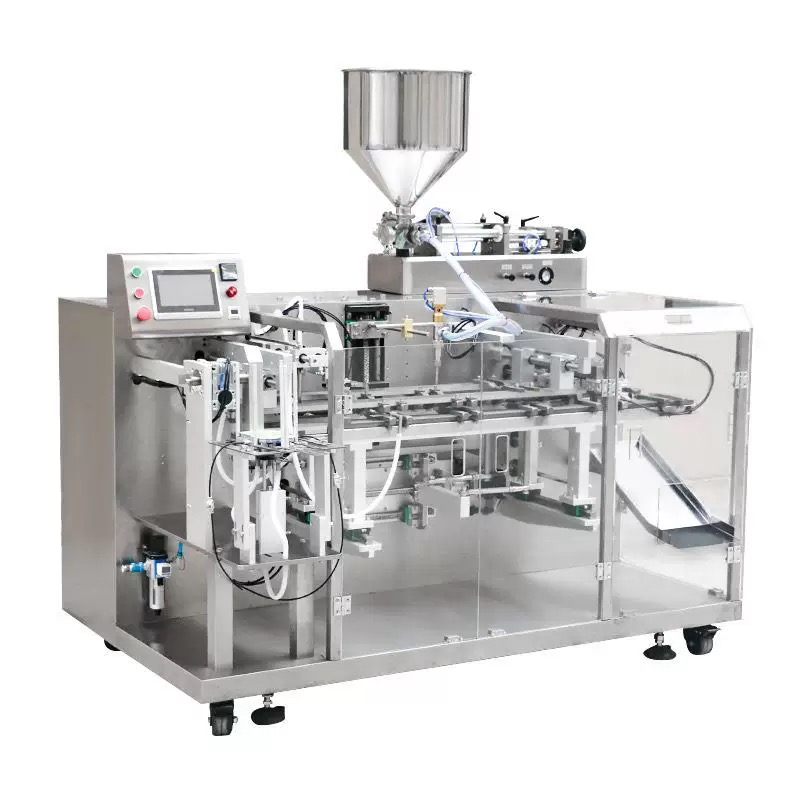
You cannot judge a packaging machine by its exterior shell. Internal mechanics dictate daily reliability. You must evaluate the drive architecture and specific waste-reduction mechanisms before purchasing.
Servo Motor Architecture
Avoid older, single-motor systems linked by complex mechanical chains. They stretch and lose timing over time. You should differentiate between single, double, and multi-servo setups. Dual servos provide superior control. One servo drives the film feeding. The second servo powers the cutting jaws. This separation ensures stable film delivery and synchronization. It proves crucial when handling varying candy diameters. You can seamlessly run 15mm items and switch to 30mm items without major mechanical teardowns.
Precision and Waste Reduction Mechanisms
Modern equipment must reduce consumable waste. Wasted film directly eats into your profit margins. Demand the following three features:
Photoelectric Mark Tracking: Optical sensors read the printed registration marks on your packaging film. This ensures the blade cuts exactly between logos. It drastically reduces your overall rejection rate.
"No Sweet-No Paper" Sensors: Sometimes the infeed conveyor misses a spot. If no candy sits on the lug, the machine pauses the film drive. It prevents empty wrappers from cycling through. This single feature saves immense consumable costs over a year.
Stop Protection Design: Production lines stop frequently. If the machine pauses, the vertical heating seal must automatically separate. If the hot jaws stay closed on stationary film, the plastic melts. Melting causes terrible jams and damages the machine. Stop protection prevents this entirely.
Durability and Maintenance
Your factory environment presents harsh conditions. Sugar dust and washdowns destroy weak components. Highlight the necessity of full stainless-steel construction. It ensures compliance with strict food safety regulations. Look for a modular HMI (Human-Machine Interface). Touchscreens allow operators to run quick troubleshooting diagnostics. Finally, continuous-operation environments require heavy-duty gearboxes. Verify they use oil-bath lubrication to prevent overheating during 24/7 shifts.
Evaluating an automatic candy packing machine in isolation leads to poor purchasing decisions. Packaging speed must synergize perfectly with your kitchen's output.
The "Wooden Barrel" Effect in Confectionery
The shortest stave dictates a barrel's capacity. In your factory, packaging often represents that short stave. Imagine a facility with massive upstream boiling capacity. They yield 8 tons of candy daily. However, they possess inadequate downstream wrapping speed. Unpacked candy piles up on cooling tables. It sits exposed to ambient factory humidity. This bottleneck ruins perfect batches.
Preventing Graining and Degradation
Stalled product suffers fast chemical changes. High humidity attacks the glassy state of hard sugar. This leads to rapid surface crystallization, known as graining. The exterior becomes dull and highly sticky. Sticky candies jam the wrapping equipment further. It creates a vicious cycle of downtime. You must match wrapping PPM to batch cooling rates.
Automated Feeding Systems
Manual loading remains too slow for modern lines. To achieve true "no-human-touch" efficiency, you must upgrade your product handling. Evaluate direct-from-cooling conveyor integrations. These belts move items seamlessly from the cooling tunnel to the wrapper. Implement smart sorting modules. They align candies uniformly. Use vibration hoppers to sift out debris. These hoppers feed product continuously without any manual intervention.
As your operation grows, primary wrapping alone proves insufficient. Enterprise scaling requires careful handling and advanced downstream integration.
Handling Fragile Confections
Not all sweets withstand aggressive mechanical feeding. Soft or fragile items, like delicate pralines or cream-filled truffles, require gentle handling. Standard friction conveyors will crush them. You must evaluate machines equipped with zero-back pressure feeders. These systems keep individual candies separated. They utilize high-speed chicaning systems. Chicaning diverts product into single-file rows smoothly. It prevents collisions and preserves product integrity.
Vision-Based Robotic Sorting
Irregular shapes pose a challenge for traditional guides. High-end lines employ optical sorting cameras. The vision system scans incoming chocolates. It relays coordinates to delta robots. The robots use vacuum suction to pick and place items perfectly into the wrapper infeed. This automated row distribution system ensures zero jams.
Tool-Less Changeovers
Line downtime destroys factory profitability. Facilities running multiple candy sizes must prioritize quick format adjustments. Emphasize the ROI of tool-less changeovers. Operators should use quick-release levers and numbered dials. They can swap a forming tube for a larger candy size in five minutes. They do not need a mechanic or heavy wrenches. Multi-SKU flexibility keeps your line running.
End-of-Line Integration
Your primary wrapper should connect smoothly to secondary systems. The flow wrapper discharges individual items. A transfer belt moves them directly into secondary cartoning machines. Alternatively, they route to multi-pack flow wrappers. This creates a complete turnkey solution. It packages the raw candy and spits out retail-ready display boxes.
Automation Scaling Readiness Chart | ||
Technology Feature | Primary Function | Ideal Factory Scale |
|---|---|---|
Vibration Hoppers | Automated bulk feeding | Growing SME |
Zero-Back Pressure Belts | Prevents product crushing | Mid-to-Large |
Vision-Based Robotics | Irregular shape sorting | Enterprise Level |
Inline Cartoning | Retail box filling | Enterprise Level |
Machinery pricing varies wildly. You must align your expectations with commercial realities. Avoid over-purchasing or under-specifying.
Entry-Level and Tabletop Solutions
Mom-and-pop shops often face severe budget constraints. They need basic moisture protection but do not require high speed. Entry-level desktop flow wrappers serve this tier perfectly. They handle low volumes but still provide an airtight fin seal. They rescue small batches from cold flow degradation.
Mid-Range Commercial Viability
Growing SMEs require robust daily operation. They should target the 300 to 600 PPM tier. This represents the standard mid-range market. At this level, you expect reliable dual-servo controls. You get stainless steel construction and accurate photoelectric tracking. These machines offer the best balance of speed and reliability.
High-End / Enterprise Investment
Large factories must set realistic expectations for premium setups. European-style twist wrappers or fully integrated turnkey lines command premium pricing. However, they deliver astonishing results. They offer 800+ PPM speeds. They experience minimal downtime. They feature advanced visual QA systems that eject defective wraps automatically.
The Refurbished Route
Some buyers want premium twist wrapping on a tight budget. Acquiring legacy, century-old twist machines remains a viable alternative. Specialized dealers fully refurbish these cast-iron workhorses. They cost significantly less than brand-new high-tier equipment. Keep in mind, they require heavy mechanical maintenance and skilled operators.
Final Decision Framework: Choosing the right equipment requires a systematic approach. First, audit your upstream capacity. Know exactly how many kilos you boil per hour. Next, choose the wrapping style based on your budget and desired retail aesthetic. Mandate vital waste-reducing components. Do not compromise on photoelectric tracking or thermal stop protection. Finally, ensure seamless feeder integration to prevent the wooden barrel effect.
Next Steps: Never finalize a purchase order blindly. Contact your shortlisted suppliers immediately. Request material test runs. This process is known as Factory Acceptance Testing (FAT). Send them your specific candy recipes. Ship them your preferred wrapping films. Watch videos of their machines running your actual product. This proves the machine handles your specific stickiness and dimensions flawlessly.
A: Production speeds vary strictly by machine tier. Entry-level commercial machines typically handle 80 to 250 pieces per minute (PPM). Mid-range standard machines run comfortably at 300 to 600 PPM. Advanced high-speed wrappers, often used in enterprise facilities, exceed 800 to 1000 PPM.
A: Modern wrappers use a "Stop Protection Design." When the machine pauses due to a downstream jam or empty hopper, the vertical sealing jaws automatically open. They separate entirely from the stationary film. This prevents the hot elements from melting the plastic and damaging the machine.
A: It is an intelligent waste-reduction mechanism. An optical sensor monitors the infeed conveyor lugs. If it detects a missing candy on a specific lug, the system momentarily pauses the film feeding drive. This prevents the machine from producing and sealing an empty wrapper, saving considerable material costs.
A: Yes, they can handle multiple sizes. Standard machines usually accommodate a specified tolerance range (e.g., 15mm to 30mm) without major mechanical swaps. For broader variations, operators rely on "tool-less changeovers" and adjustable servo-driven formers to switch formats quickly without lengthy downtime.
A: Spoilage happens at the intersection of packaging and environment. If the wrapper lacks a tight hermetic seal, cold flow occurs. Furthermore, if your wrapping speed is too slow, unpacked candy sits exposed to ambient humidity post-cooling. The moisture degrades the sugar glass state before wrapping even begins.


